

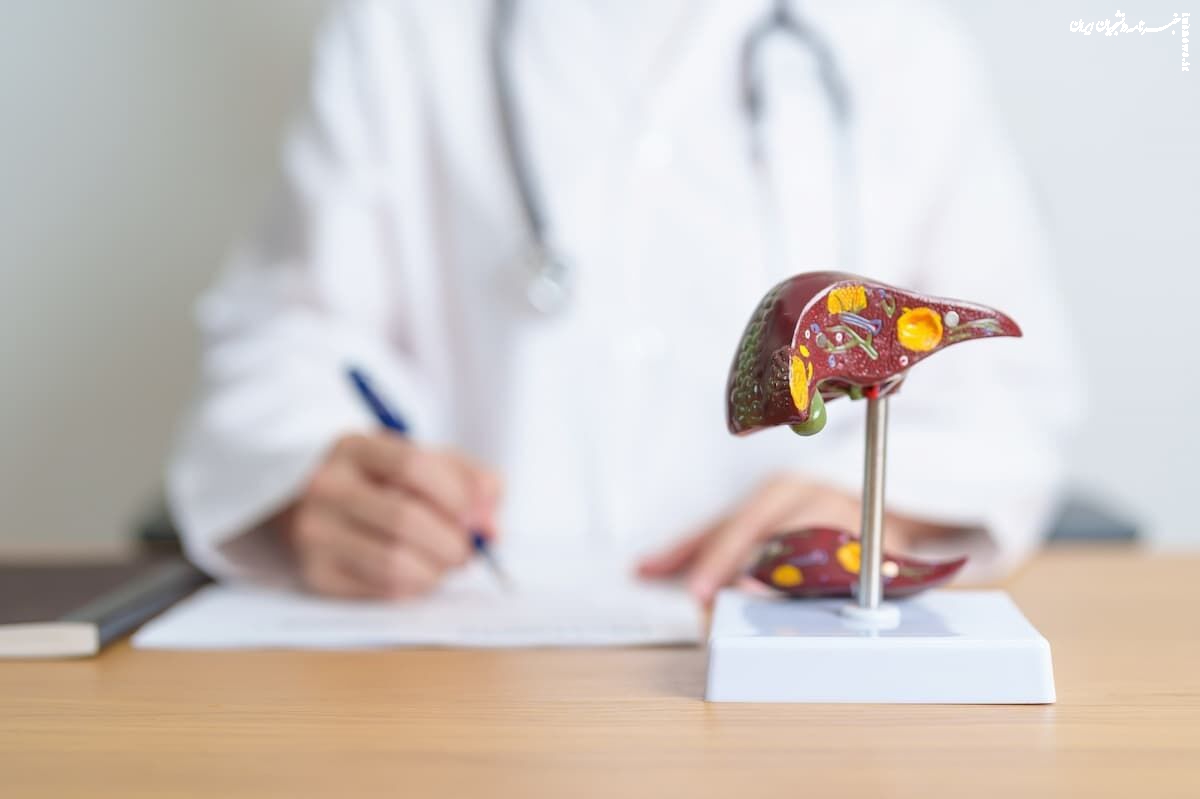
to report «iusnews»; Fatty liver disease, or hepatic steatosis, is one of the most common chronic liver disorders worldwide, and its prevalence is steadily increasing. Global data indicate that approximately 32% of adults are affected by some degree of this condition.
Fatty liver disease occurs when the amount of fat stored in liver cells exceeds the normal threshold. This accumulation typically results from disturbances in lipid metabolism or a reduced ability of the body to eliminate excess fats. If left untreated or poorly managed, this condition can lead to liver inflammation (steatohepatitis), cellular damage, and ultimately significant impairment of liver function. In advanced stages, it may progress to fibrosis, cirrhosis, and even liver failure.
Types of Fatty Liver Disease and Their Differences
Fatty liver disease is classified into two main types:
- Alcoholic Fatty Liver Disease (AFLD)
- Non-Alcoholic Fatty Liver Disease (NAFLD)
Alcoholic fatty liver disease develops as a result of excessive and chronic alcohol consumption. Alcohol is metabolized in the liver and produces toxic compounds such as acetaldehyde, which can lead to inflammation, oxidative stress, and cellular damage.
If alcohol consumption continues, the disease can progress from simple fat accumulation in the liver (steatosis) to fibrosis, cirrhosis, and ultimately liver failure. Discontinuing alcohol intake in the early stages can halt the progression of the disease.
Non-alcoholic fatty liver disease occurs in individuals who typically do not consume alcohol, and the accumulation of liver fat arises from causes unrelated to alcohol intake. Factors contributing to this condition include overweight and obesity, type 2 diabetes, high blood lipids, metabolic disorders, genetic predisposition, and the use of certain medications.
NAFLD affects approximately one-third of adults and one-tenth of children.
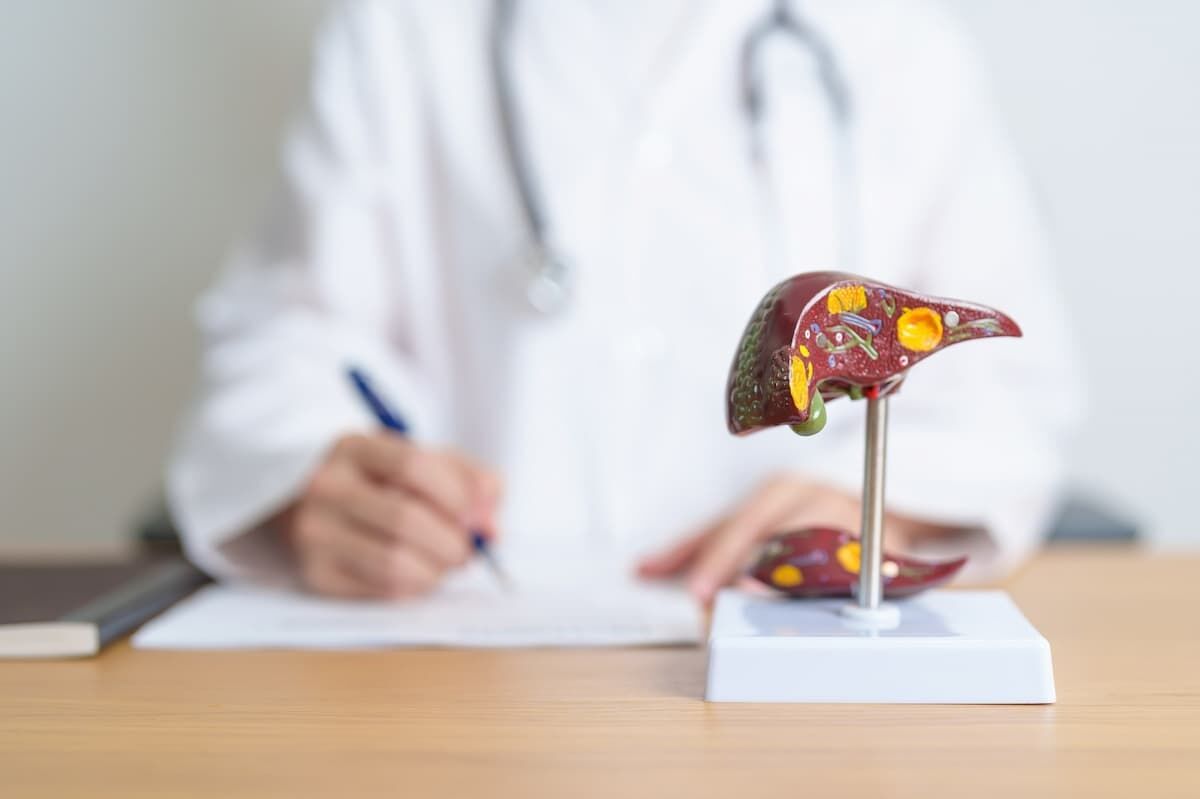
Management and Treatment of Fatty Liver Disease
Non-alcoholic fatty liver disease (NAFLD) is a silent yet potentially serious liver disorder that, if not diagnosed and treated in a timely manner, can lead to significant and sometimes irreversible impairment of liver function. Due to its asymptomatic nature in the early stages, many patients remain unaware of the condition, which contributes to its gradual and unnoticed progression.
Timely management and treatment of fatty liver disease play a crucial role in preventing chronic inflammation, fibrosis, cirrhosis, and liver failure, thereby reducing the risk of severe and costly complications.
Management and Treatment Strategies for Fatty Liver Disease
Currently, the primary approach to treating fatty liver disease—especially non-alcoholic fatty liver disease (NAFLD)—focuses on lifestyle modifications, as there is no definitive medication for its cure. Effective strategies for managing and improving fatty liver include:
Weight loss: Gradual weight reduction of 5–10% of total body weight significantly improves liver function.
Healthy diet: Consuming high-fiber foods such as fruits, vegetables, and whole grains, along with reducing simple sugars, trans fats, and saturated fats, helps decrease inflammation and fat accumulation in the liver.
Regular exercise: Engaging in at least 30 minutes of aerobic activity on most days of the week improves insulin sensitivity and supports better liver fat metabolism.
Avoiding alcohol: In alcoholic fatty liver disease, complete abstinence from alcohol is essential. In non-alcoholic fatty liver disease, reducing alcohol intake is strongly advised.
Managing underlying conditions: Proper control of diabetes, hyperlipidemia, and other related health conditions through appropriate medications plays a vital role in slowing disease progression.
Liver transplantation: In severe, advanced cases that progress to cirrhosis or liver failure, liver transplantation may be the only viable treatment option.
Is Fatty Liver Disease Curable?
Currently, there is no definitive or approved drug treatment for non-alcoholic fatty liver disease (NAFLD). However, numerous studies have demonstrated that in many patients, the condition is highly manageable and even reversible, especially when diagnosed in its early stages.
The key strategies for controlling and reversing the progression of the disease include:
Gradual and sustained weight loss (5–10% of total body weight)
Increasing regular physical activity
Adopting a healthy diet and avoiding simple sugars, saturated fats, and alcohol
Managing comorbid conditions such as diabetes, hypertension, and dyslipidemia
Regular medical follow-ups to monitor disease progression and adjust treatment plans
In more advanced stages—such as NASH or hepatic fibrosis—patients may require specialized care, specific medications, or in rare cases, evaluation for surgical intervention or liver transplantation.
Overall, with consistent lifestyle modification and close collaboration with healthcare providers, fatty liver disease is highly manageable, and in many cases, its progression can be reversed.
The Role of ProGsterol in the Improvement and Management of Fatty Liver Disease
Nonalcoholic fatty liver disease (hepatic steatosis) arises from excess intrahepatic triglyceride accumulation due to imbalances in lipid uptake, de novo lipogenesis, oxidation and export; it is closely linked to obesity, insulin resistance and dyslipidemia and may progress to inflammation and hepatic dysfunction.
Preclinical data indicate ProGsterol may influence pathways relevant to hepatic steatosis-such as fatty acid synthesis, mitochondrial oxidation and adipocyte inflammatory signaling-with possible effects on intrahepatic lipid content, weight and lipid profiles. These mechanistic and emerging clinical observations suggest ProGsterol may appropriately serve as an adjunct; use should remain individualized with baseline and periodic liver and metabolic monitoring and candid counselling about evidence limitations.
Clinically, ProGsterol should be considered only as an adjunct to evidence-based pharmacotherapy and lifestyle measure (not as a replacement) and its use should be accompanied by appropriate baseline and follow up assessments. Integration should be individualized by clinicians with baseline assessment (e.g., HbA1c, fasting glucose, renal and hepatic function, medication review) and follow up to monitor glycaemia, interactions and hypoglycemia risk when combined with insulin or secretagogues.
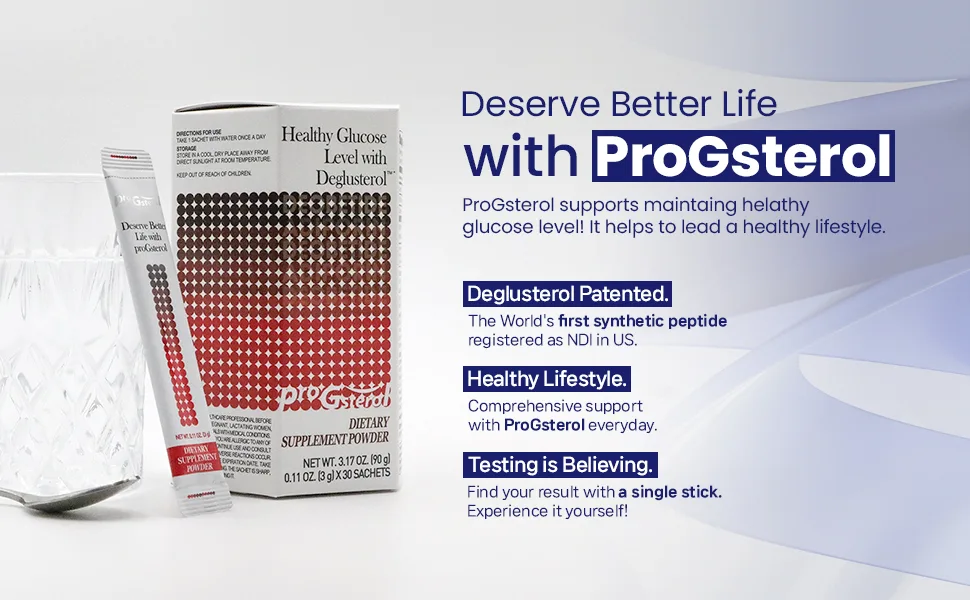
What Is ProGsterol?
ProGsterol is an orally administered, peptide-based dietary supplement designed for the management of metabolic disorders. It consists of two biologically active peptides—Adiporin and Deopeptide— which may exert complementary effects on glucose handling, lipid metabolism, and metabolic–hormonal regulation.
Emerging clinical observations indicate that ProGsterol may provide adjunctive benefit in several metabolic conditions, including:
Prediabetes and Type 2 Diabetes: Helps reduce fasting blood glucose levels and lowers glycated hemoglobin (HbA1c).
Non-Alcoholic Fatty Liver Disease (NAFLD): May contribute to reductions in hepatic fat accumulation, and improvements in liver enzyme profiles and inflammatory markers.
Polycystic Ovary Syndrome (PCOS): May support modulation in regulating sex hormones and improvements in ovarian function.
Weight Loss and Visceral Fat Reduction: May assist in reducing body weight, waist circumference, and visceral adiposity in individuals with metabolic syndrome.
These potential effects position ProGsterol as an adjunct, rather than a replacement, for standard clinical management. Its use should be individualized and accompanied by appropriate metabolic and hepatic monitoring.
Dosage Form and Directions for Use
ProGsterol is supplied as a powdered oral supplement in single-dose sachets, with 30 sachets per box.
Recommended usage: One sachet per day, dissolved in a glass of water, preferably at a consistent time each day and according to the instructions of a physician or nutrition specialist.
Note: ProGsterol should be incorporated only as an adjunct within a broader management plan that includes appropriate dietary modification, regular physical activity, and individualized therapeutic interventions. Use should occur under medical supervision with periodic monitoring of metabolic and hepatic parameters.
Manufacturing and Distribution of ProGsterol by Vira Rahesh Pharmed Pharmaceutical Company
Vira Rahesh Pharmed Pharmaceutical Company, founded and operated by a team of industry experts and academic professionals, is dedicated to the research, development, and production of knowledge-based pharmaceutical products. With a strong foundation in pharmaceutical sciences, medicine, chemistry, and basic sciences, Vira Rahesh Pharmed has achieved substantial progress in developing a diverse portfolio of innovative, science-driven pharmaceutical products.
Conclusion
The management and treatment of non-alcoholic fatty liver disease (NAFLD) is a multistep and multidisciplinary process that requires strong patient commitment to lifestyle modification, regular medical monitoring, and close cooperation with the healthcare team. By following medical recommendations, improving dietary habits, increasing physical activity, and managing associated conditions, it is possible to halt the progression of the disease.
