

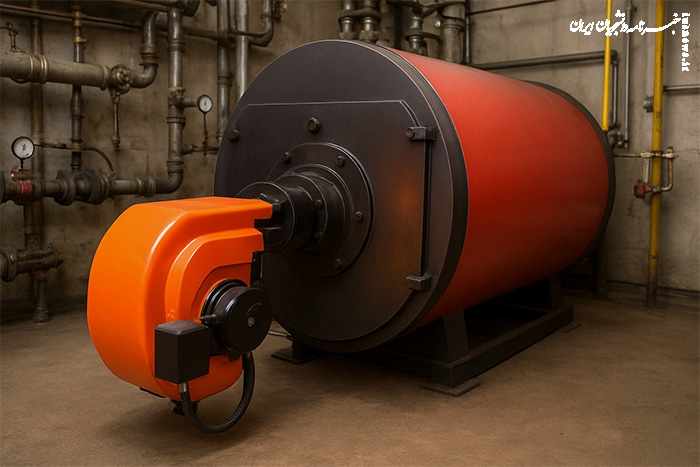
to report «iusnews»; A burner is the most effective part of a boiler, and a boiler is the most essential part of a building's central heating system in its boiler room. Efficient energy use in boiler burners is not only crucial for reducing operational costs but also for minimizing emissions and extending the equipment's lifespan. With rising energy prices and increasing environmental concerns, reducing energy consumption in boiler room burners has become more critical than ever. This article explores practical and effective strategies to enhance energy efficiency, reduce fuel consumption, and improve overall performance in burners for boilers.
New Burner Technologies That Cut Fuel Use
One of the most effective ways to optimize energy use in boiler rooms is by incorporating modern burner technologies. These solutions are designed to maximize efficiency, minimize wasted energy, and provide precise control over the Boiler burner combustion processes.

High-Efficiency and Low-Consumption Burners
High-efficiency burners are engineered to deliver maximum heat output with minimal fuel usage. By optimizing the combustion process, these burners can significantly reduce energy waste while maintaining consistent heating performance. This results in lower fuel costs and a smaller environmental footprint. High-efficiency burners are especially beneficial in facilities with continuous heating demands, such as large commercial buildings or industrial plants, where even small efficiency improvements can lead to substantial cost savings over time.
Smart Burners with Remote Control Capabilities
Smart burners represent the next generation of boiler technology. Equipped with digital controllers, remote monitoring, and automation systems, these burners allow operators to adjust flame intensity and fuel flow based on real-time data. Control can be achieved through mobile apps or computer software, enabling facilities managers to optimize energy usage without constant manual intervention. By utilizing predictive algorithms, smart burners can anticipate heating needs and adjust operations dynamically, further improving energy efficiency.
Compatibility with Alternative and Cleaner Fuels
Modern burners are increasingly designed to operate with alternative fuels, including biodiesel, hydrogen, and other low-emission energy sources, in addition to traditional natural gas and diesel. Using cleaner fuels reduces harmful emissions and aligns with sustainability initiatives while maintaining efficient heating performance. Facilities that adopt these versatile burners can help both reduce environmental impact and increase operational flexibility, particularly in regions where traditional fuel supplies may fluctuate or become costly.
Burner Automatic Flame Control and Temperature Regulation
Precise flame and temperature control are fundamental to preventing energy waste in steel or cast iron boiler systems. Efficient regulation ensures that burners only consume the fuel necessary to meet the actual heating demand.
Burner Temperature and Pressure Sensors
Modern boiler systems are equipped with advanced temperature and pressure sensors that provide accurate, real-time measurements. These sensors enable automatic ignition and shutdown of burners, as well as adjustments in fuel flow to match heating requirements. By responding instantly to changes in temperature or pressure, the system lowers energy loss and prevents excessive fuel use.
PID Control Systems for Boiler Burners
Proportional-Integral-Derivative (PID) control systems offer highly accurate management of burner operation. By continuously monitoring environmental conditions and heating output, PID controllers optimize flame intensity and fuel usage. This continuous adjustment prevents fluctuations in heat supply, ensuring consistent comfort while maintaining energy efficiency.
Scheduling and Zonal Control Programs
Advanced burner systems can also operate according to programmed schedules or zonal control strategies. For instance, boilers can reduce heat output during non-peak hours or adjust energy distribution based on the specific requirements of different building zones. This level of control not only reduces fuel consumption but also minimizes unnecessary wear and tear on equipment.
Impact of Burner Selection on Energy Consumption
Selecting the right burner is critical for achieving long-term energy savings and minimizing maintenance expenses. An improperly sized or mismatched burner can lead to excessive fuel use, inefficient heat distribution, and higher operational costs.
Calculating Required Burner Heating Capacity before Selecting
Burners should be chosen based on the building's heating demand, usage patterns, and total square footage. Oversized burners may consume more fuel than necessary, while undersized burners struggle to meet heating requirements, resulting in continuous operation and increasing wear on the system. Accurate load calculations are necessary before selecting a burner that matches the facility’s needs precisely.
Regional and Climatic Factors when Choosing a Burner for a Boiler
You should consider the geographic location and local climate conditions when selecting a burner. In areas with extreme cold or humidity, burners with advanced control features can maintain consistent heat output and better energy efficiency. Factoring in these environmental conditions ensures optimal performance and reduces unnecessary fuel consumption.
Boiler Type Selection and Its Impact on Energy Consumption
The type of boiler, radiant, coil, cast iron, or steel hot water boiler, used in the system significantly affects burner efficiency:
- Cast Iron Boilers: Ideal for smaller buildings with moderate heating demands.
- Steel Hot Water Boilers: Suitable for large facilities with high thermal requirements.
- Radiator and Coil Boilers: Provide uniform heat distribution, reducing energy loss and improving comfort.
Boiler Burner Regular Maintenance and Servicing
Routine maintenance is a necessity to keep burners and boilers operating efficiently. Regular servicing helps prevent energy waste, prolong equipment life, and maintain consistent heating performance.
Key maintenance activities include:
- Cleaning fuel nozzles, filters, and burners to prevent blockage and inefficiency.
- Inspecting and adjusting flame patterns to ensure proper combustion.
- Monitoring sensors, valves, and other components to maintain optimal system performance.
Neglecting maintenance can reduce burner efficiency and increase fuel consumption and operational costs. A structured maintenance schedule is therefore a critical part of energy optimization in any boiler system.
Utilizing Heat Recovery Systems for Boiler Burners
Many boiler systems can incorporate heat recovery units to capture excess energy from exhaust gases or hot water discharge. This recovered heat can be used to preheat incoming water or air, reducing the load on the burner and lowering overall fuel consumption. Heat recovery not only improves energy efficiency but also contributes to sustainability efforts by minimizing waste heat released into the environment.
Strategies to Reduce Energy Use in Summary
Optimizing energy consumption in boiler room burners requires a multifaceted approach. Modern high-efficiency and smart burners, automatic flame and temperature control, proper burner selection, regular maintenance, and heat recovery systems can all help cut fuel use and boost overall efficiency.
By combining these strategies, facilities can achieve reduced energy costs, extended equipment lifespan, and lower environmental impact. Energy optimization in boiler systems is not merely a technical upgrade; it is a strategic investment in sustainable, cost-effective, and reliable heating solutions. Adopting these measures ensures that boiler rooms operate at peak efficiency while minimizing both fuel consumption and emissions.
What you’ve read are strategies developed by DamaTajhiz Co.'s professional experts, based on over 22 years of experience. The following is an introduction to this HVAC company.
About DamaTajhiz HVAC Co.
DamaTajhiz HVAC company was founded in 2004 by Mr. Majid Zavvarian. Backed by a team of technical experts and specialists across various fields, DamaTajhiz has effectively addressed the needs of building project managers while supplying heating, cooling, ventilation, and other building equipment for numerous construction projects nationwide and in select neighboring countries. Its products, which include air washers, AHUs, chillers, industrial evaporative coolers, air curtains, burners, boilers, heat exchangers, heaters, pumps, filters, storage tanks, and cooling towers in Kuwait, Armenia, Tajikistan, Georgia, Azerbaijan, Turkey, Oman, Pakistan, Turkmenistan, the UAE, Uzbekistan, Qatar, Iraq, and others—can receive deliveries in cities including Manama, Baghdad, Karachi, Dubai, Sharjah, Muscat, Riyadh, Abu Dhabi, Kuwait City, Doha, Amman, Sulaimaniyah, Kirkuk, Islamabad, Mosul, Erbil, Dushanbe, Aleppo, Damascus, and Baku at competitive prices. Moreover, Engineers at DamaTajhiz are always ready to answer all your questions about selecting, capacity calculation, and purchasing facilities.
