


Gold has always played a central role in global financial markets. During periods of economic uncertainty, inflation, or currency volatility, investors traditionally turn to gold as a safe-haven asset. In recent years, as global gold prices have reached new highs, another interesting market trend has quietly emerged: growing demand for metal detector devices.
While often associated with hobbyists and treasure hunters, the metal detector industry is increasingly influenced by macroeconomic movements—particularly fluctuations in gold prices.

Gold Prices and Behavioral Economics
When gold prices rise significantly, two major behavioral patterns appear:
-
Increased investment demand for physical gold
-
Growing interest in gold discovery and exploration
The second trend, though less discussed in mainstream financial reports, directly impacts the metal detector market.
Higher gold prices increase the perceived value of buried, undiscovered, or historical gold objects. This psychological and economic shift encourages more individuals to consider gold prospecting, archaeological exploration, and treasure hunting as potential income-generating activities.
Global Market Perspective: Europe and North America
In several European countries—particularly Germany and Nordic regions—gold prospecting and metal detecting are popular recreational activities. During periods when gold reached significant highs (for example, 2020–2022), online interest, search trends, and retail activity related to metal detector equipment increased noticeably.
Although official government statistics rarely track metal detector sales directly, industry reports and retail data from specialized suppliers have shown:
-
Increased inquiries during gold price rallies
-
Higher demand for advanced metal detector models
-
Growth in hobbyist prospecting communities
In Germany, for instance, rising gold prices combined with economic uncertainty during the pandemic years contributed to renewed interest in alternative asset discovery, including field prospecting.
Similarly, in the United States and Australia—two regions with strong gold prospecting traditions—gold price surges have historically correlated with increased sales of professional-grade metal detector devices.
The Iranian Market: Currency Volatility and Equipment Demand
In Iran, the relationship between gold prices, currency exchange rates, and metal detector demand is even more pronounced.
Because gold prices are directly influenced by USD exchange rates, fluctuations in the dollar significantly impact local gold values. During periods of currency depreciation and gold price increases, interest in:
-
Gold detection
-
Treasure hunting equipment
-
Professional metal detector systems
tends to rise.
Search engine trends and marketplace activity suggest that when gold and currency prices increase simultaneously, more individuals begin exploring equipment options.
This does not necessarily mean everyone becomes a professional prospector. However, rising gold value increases curiosity and perceived opportunity.
Economic Logic Behind the Trend
From a purely economic standpoint, the relationship is rational:
-
Higher gold price = Higher potential return
-
Higher potential return = Increased incentive to search
-
Increased incentive = Higher demand for metal detector technology
The metal detector market, therefore, does not operate in isolation. It reacts to global commodity cycles.
This dynamic mirrors other industries tied to commodity prices. For example, when oil prices rise, exploration equipment demand increases. Similarly, when gold appreciates, metal detector sales often follow.
Technology Evolution and Market Confidence
Another factor reinforcing this trend is technological advancement.
Modern metal detector systems are far more sophisticated than earlier generations. Features such as:
-
Improved depth accuracy
-
Enhanced target discrimination
-
Digital ground balance
-
Advanced pinpointer functionality
have increased user confidence.
This technological progress reduces uncertainty for buyers, making investment in a metal detector feel more practical rather than speculative.
Professional Gold Detector Models and Precision Detection
Within the metal detector industry, pinpointer and gold detector systems play a critical role. These devices allow users to accurately locate targets after initial detection, reducing digging time and increasing efficiency.
In markets where demand has grown alongside rising gold prices, professional-grade pinpointer devices have gained particular attention.
For example, Alpha Electronic-brand gold detector and metal detector models are recognized among users for:
-
Precise target identification
-
Stable performance in mineralized soil
-
User-friendly interface
-
Reliable signal differentiation
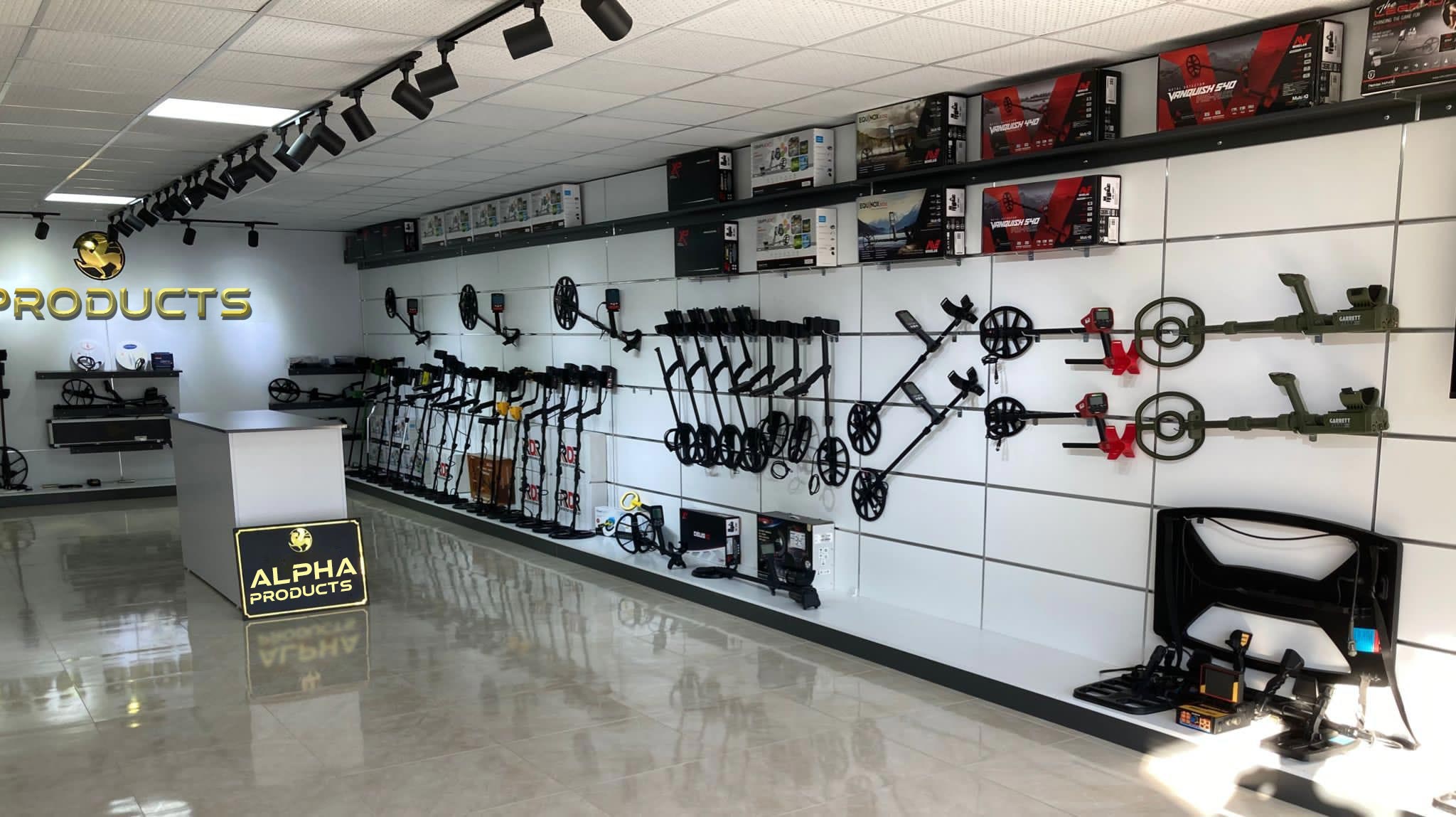
While purchasing decisions depend on individual needs and regulations, many experienced users prioritize detection accuracy and signal stability when evaluating a metal detector system.
Investment or Hobby? A Dual Market
An important distinction must be made:
The metal detector market consists of two overlapping groups:
-
Hobbyists and recreational users
-
Individuals motivated by economic opportunity
When gold prices surge, the second category expands. Some individuals view purchasing a metal detector as a speculative investment in potential discovery.
However, responsible decision-making requires realistic expectations. Metal detecting is influenced by skill, location, legal regulations, and environmental conditions.
It is not a guaranteed income source, but rather a tool that may benefit from favorable commodity cycles.
Future Outlook: If Gold Continues to Rise
If global gold prices maintain upward momentum due to inflationary pressures, geopolitical uncertainty, or central bank policies, it is reasonable to expect continued interest in metal detector technology.
Search data, online communities, and retail indicators suggest that:
-
Economic uncertainty strengthens gold’s appeal
-
Gold’s appeal indirectly strengthens metal detector demand
The relationship is not perfectly linear, but it is observable.
Conclusion
The rising demand for metal detector equipment amid increasing global gold prices reflects a broader economic pattern.
As gold appreciates, so does public interest in accessing it—whether through investment, trading, or exploration.
While hard statistical data on metal detector sales is limited, market behavior, search trends, and retail activity in regions such as Europe, North America, and Iran indicate a consistent pattern:
When gold prices rise, demand for metal detector technology tends to increase.
In this context, modern precision tools—including professional pinpointer models such as those offered by Alpha—play a role in meeting growing market expectations.
Ultimately, the metal detector industry stands at the intersection of technology, commodity cycles, and human psychology—making it more economically connected to global gold prices than it may initially appear.
