

to report «iusnews»; Most people assume a quote from a wrecker is somewhere between a guess and a low offer to take or leave: no breakdown, no visible logic, no easy way to know whether you're getting a fair number. In practice, wreckers follow a consistent valuation process built on five measurable factors, each contributing a specific piece of the total. Understanding those factors helps sellers give accurate information upfront, avoid stripping parts that would've been worth more left in the vehicle, and set realistic expectations before pickup.
This piece explains what those five factors are, how much each one moves the number, and what sellers almost always get wrong before they pick up the phone.
How Vehicle Weight and Scrap Metal Content Set Your Base Offer
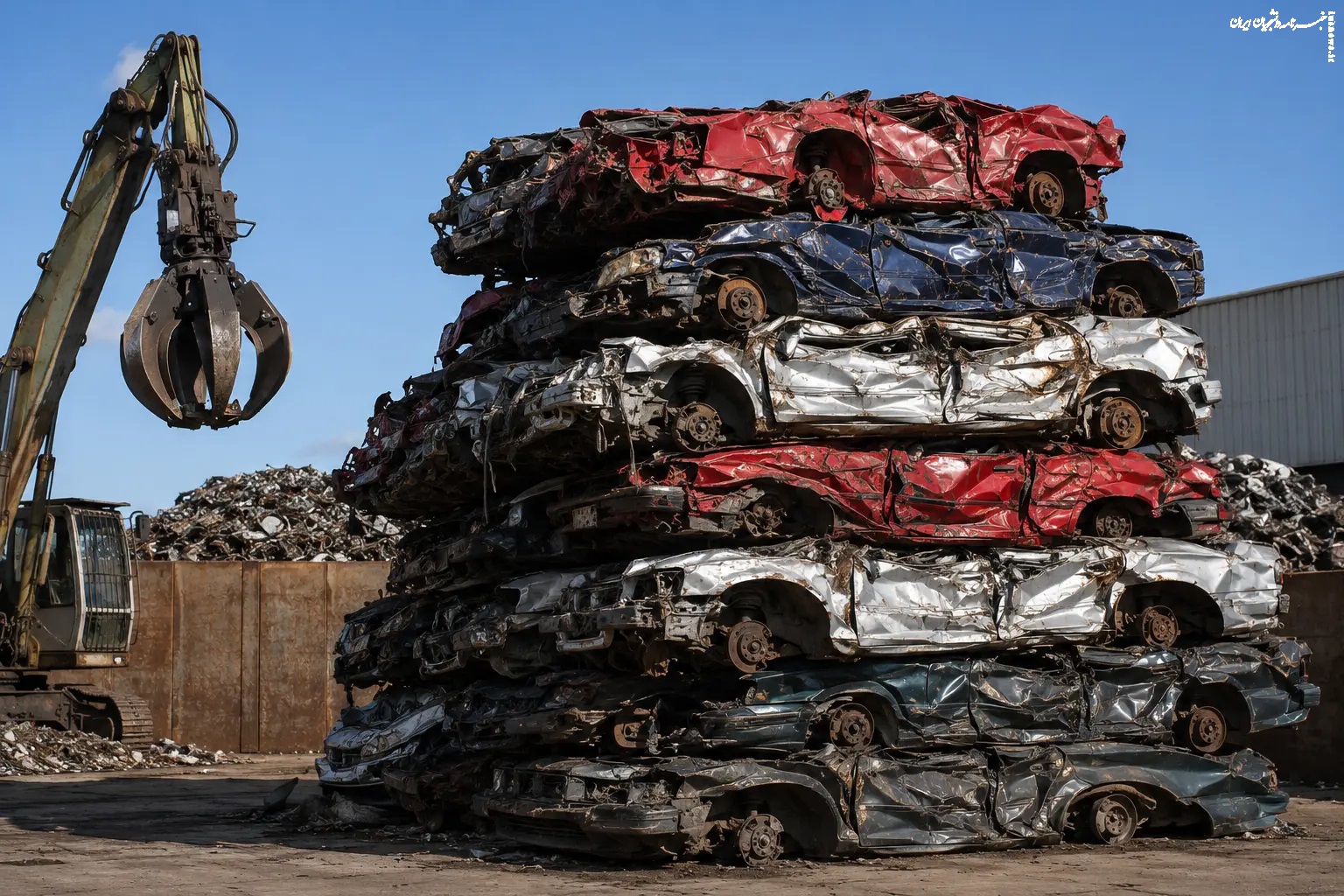
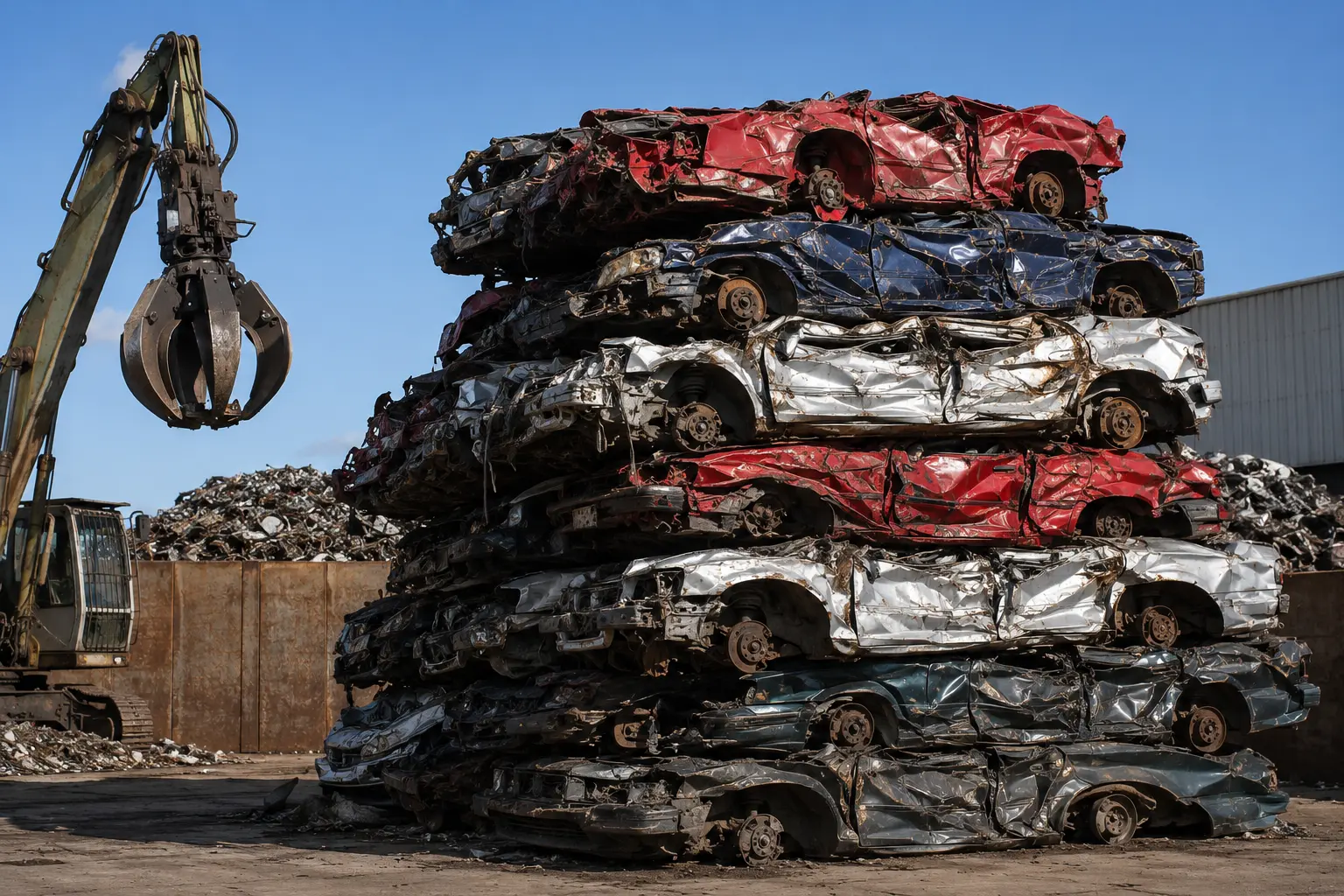
The starting point for any wrecker's quote is the recoverable metal in the vehicle. Most passenger cars and light trucks are made up of 65 to 70 percent steel by weight, with the remainder split between aluminum, plastics, rubber, and glass. Professional recyclers confirm curb weight using manufacturer specifications for the year, make, and model, then apply current North American commodity pricing for steel scrap against that figure. The result is the floor of the offer, the number every other factor builds on top of.
Aluminum is assessed separately and at a higher rate per kilogram than steel. It's concentrated in specific areas:
- Engine blocks on many modern vehicles
- Alloy wheels
- Hood
A vehicle with more aluminum content, which tends to be true of newer models and certain European makes, carries a slightly stronger base valuation than an equivalent weight in steel alone.
Size matters in a straightforward way. A full-size pickup or large SUV simply contains more recyclable metal than a compact sedan. Two vehicles in identical condition, from the same model year, can produce noticeably different base offers just because of weight. When you call an Auto Wrecker Calgary, the first questions are almost always about year, make, and model rather than what's wrong with the vehicle.
Why the Catalytic Converter Is Often the Most Valuable Component
After scrap metal weight, the catalytic converter is frequently the single highest-value item on an end-of-life vehicle. It contains three platinum group metals: platinum, palladium, and rhodium.
These are tracked and traded on global commodity markets independently from bulk steel or aluminum, and they're recovered and sold separately during the recycling process, which is why wreckers assess the converter as its own line item rather than lumping it in with general scrap.
Wreckers identify the converter by VIN or the part number stamped onto the unit itself, then cross-reference it against precious metal content databases maintained by refining companies, which document the known platinum group metal content for each vehicle's make, model, and year.
The variation between vehicles is significant. A domestic V8 truck typically runs a larger converter with considerably more precious metal content than a small import, which means two vehicles at identical scrap weight can sit in very different positions before any other factor is assessed.
The offer changes substantially when the converter is missing. Catalytic converter theft is widespread across Canada, and wreckers regularly see vehicles where the unit has already been cut out before the call is made. In those cases, the quote reflects the lost precious metal recovery. It's worth disclosing converter status upfront, because it affects the number more than most sellers anticipate.
Salvageable Parts, Model Demand, and Why Location Matters
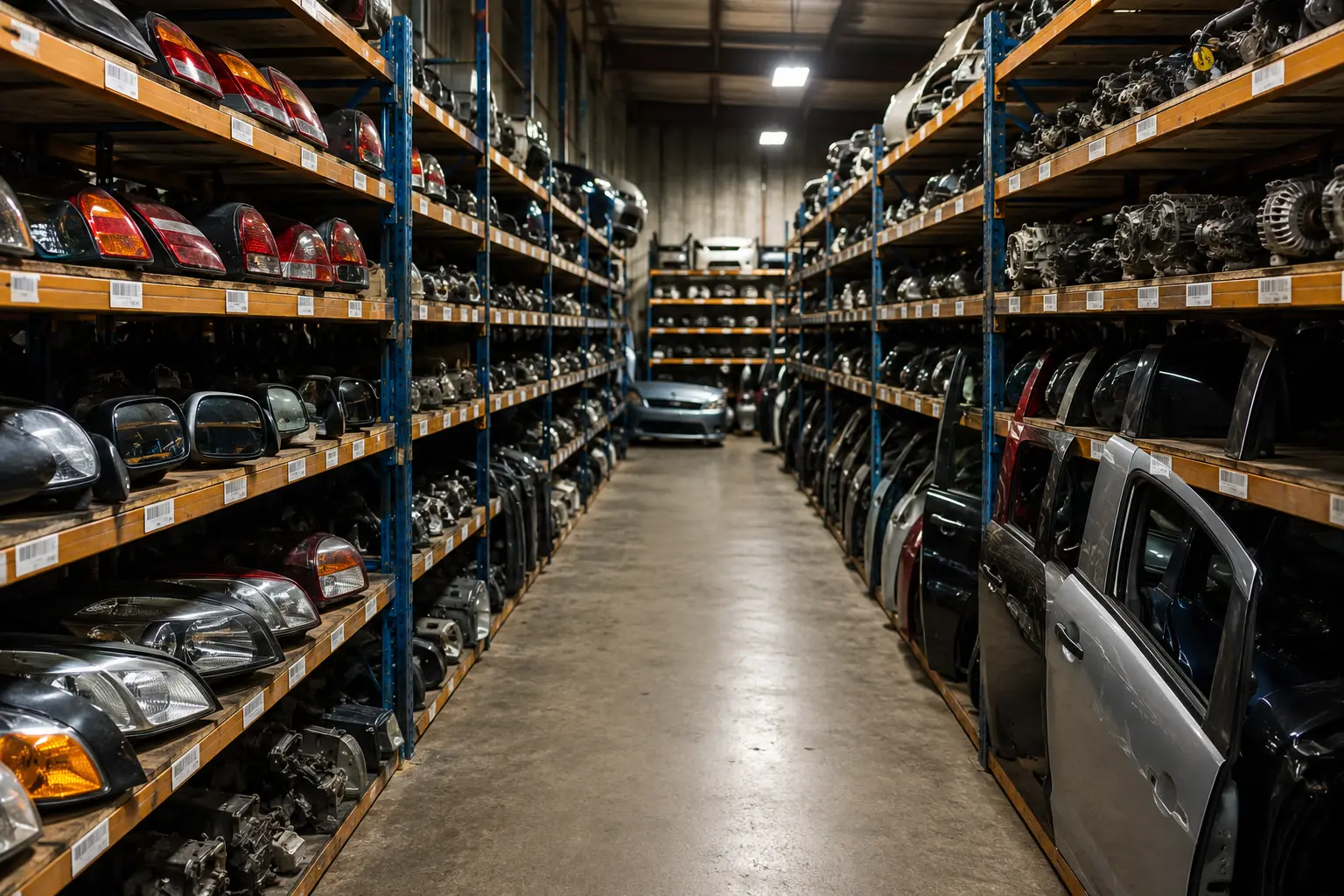
Beyond metal weight and converter value, wreckers assess which individual components can be cleaned, tested, and resold as used parts. This is where make, model, and year start to matter most. High-demand vehicles, typically popular full-size trucks, common SUVs, and models with long production runs, generate parts that move through the used market quickly and reliably. Low-volume or discontinued models produce parts that sit on shelves, which wreckers factor into how aggressively they price the vehicle upfront.
The main component categories assessed for parts resale are:
- Engines and transmissions in running or rebuildable condition
- Electronics, including ECU modules, instrument clusters, and infotainment systems
- Body panels, doors, hoods, and fenders with minimal damage
- Wheels and tires in usable condition
- Batteries, particularly on hybrid and electric vehicles
Parts demand also has a regional dimension that's easy to overlook. What moves quickly through Auto wreckers Red Deer reflects the surrounding vehicle population in central Alberta, where the mix of trucks, farm vehicles, and older SUVs creates its own pattern of parts demand. That mix can differ from what turns over fastest in a Calgary yard, and wreckers in each market price accordingly based on what their local buyers are actually searching for.
How Vehicle Condition Actually Moves the Number
The most persistent misconception sellers bring to a wrecker's quote is that a non-running vehicle is worth scrap metal and nothing more. That's rarely how it works. What matters isn't whether the car moves, but why it doesn't and what remains intact.
An engine seizure on a high-demand truck still leaves the transmission, converter, body panels, and most electronics fully usable. A rear-end collision write-off can have a completely undamaged engine bay with every mechanical component in working order. Wreckers assess condition by category, not by whether the vehicle drives.
The specific factors that shift the offer are:
- Whether it runs, and the underlying reason if it doesn't
- Fire or flood damage, which compromises electronics and structural components even when the visible damage looks limited
- Frame vs. cosmetic damage, since structural issues reduce usable parts across multiple categories
- Missing components, including the converter, a stripped interior, or removed wheels
- Time sitting, since long-term storage accelerates corrosion and seizes components that would otherwise be resaleable
Alberta's climate adds a layer to the condition assessment that sellers often don't account for. Road salt and freeze-thaw cycles through a typical Alberta winter drive corrosion into frame rails and subframe mounting points faster than in milder regions, and it's a variable that an Auto Wrecker Calgary factors into the assessment differently than yards in other provinces would. A vehicle can look entirely intact from the outside while carrying significant structural rust underneath, which is why rust history is one of the first things asked for when taking a description over the phone.
How Market Conditions and Timing Affect the Quote You Receive
Every component of a wrecker's offer moves with the market. Scrap metal prices, precious metal spot prices, and used parts demand all fluctuate independently, and wreckers price against current conditions rather than recent averages. A vehicle quoted today could get a different number in three months, not because the vehicle changed, but because the underlying commodity prices did.
|
Pricing Component |
What Drives It |
Stability |
|
Base scrap metal |
Steel and aluminum commodity markets |
Moderate, tracks global supply and manufacturing demand |
|
Catalytic converter |
Platinum, palladium, and rhodium spot prices |
Higher volatility, responds to automotive production cycles |
|
Salvageable parts |
Local demand and model popularity |
Variable, depends on what buyers in each market need |
This is worth understanding when you're comparing quotes. Multiple offers from different buyers on the same day will typically land close together, because everyone's working from the same live commodity pricing on metal and precious metals. When quotes differ substantially, the gap almost always comes from how differently each buyer values the salvageable parts, not from disagreements on the base scrap component.
One practical implication: if a vehicle has been sitting for a year or more and you received a quote a while back, that number may no longer reflect what you'd be offered today. It's always worth getting a fresh quote before making any decisions based on an older figure.
What the Quote on the Phone Actually Reflects
The number you get on the phone is the sum of five assessments: recoverable metal by weight, precious metals in the catalytic converter, salvageable parts value, overall condition, and where commodity markets sit the day you call. Each piece contributes something different, and all five apply whether the vehicle runs or not.
The most useful thing a seller can do before calling is resist the urge to pull parts out first. Wreckers price the whole car as a package, and a missing converter or removed wheels reduces the offer by more than most sellers anticipate, because those components are worth more than their scrap weight alone. The other thing that helps is an accurate description: mileage, rust history, whether it runs, and any components that are missing
* All regulatory and enforcement details mentioned above are drawn from public AMVIC records. Readers should refer to amvic.org for the most current and complete information.
